Guides
Traffic rules in Spain & on Tenerife for bikers
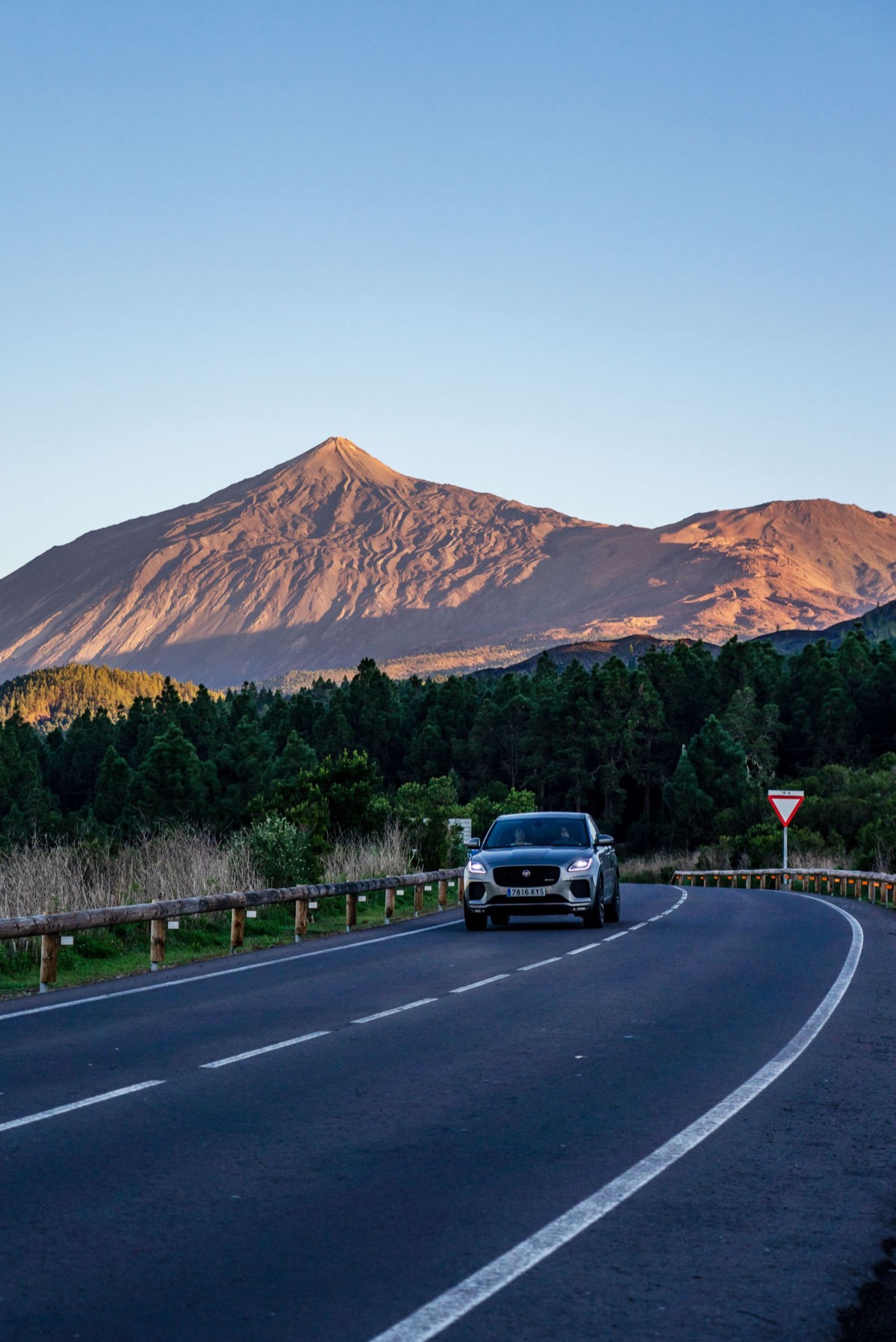
Speed limits, the alcohol limit, helmets, fines and how the Guardia Civil watches. Everything you need before the first kilometre.
The rules that really count
Spain basically drives like the rest of the EU, but a few quirks and some hefty fines make it worth knowing the key points beforehand. These details are current as of June 2026. The binding source is always the latest guidance from the DGT (the Spanish traffic authority) and the signs on the ground.
This overview complements the complete rental guide, which covers what to do in a breakdown or crash.
Speed limits
The standard limits in Spain:
- Motorway / Autovía (Autopista): 120 km/h
- Open road (conventional road): 90 km/h
- Built-up areas: 50 km/h on roads with more than one lane per direction, 30 km/h on single-lane roads, 20 km/h in traffic-calmed zones
The 30 km/h rule in towns in particular is enforced consistently. On Tenerife’s mountain roads (TF numbers), lower, signposted limits often apply, and the tight bends demand respect, not speed, anyway.
Alcohol limit and the new-rider period
Spain is stricter than you may be used to.
- General: 0.5 g/l (0.05 % BAC) in the blood, or 0.25 mg/l in the breath.
- New riders (licence under two years): only 0.3 g/l (0.03 % BAC) in the blood, or 0.15 mg/l. This tougher limit goes by your licence age, not your actual age.
The same limit applies to car and motorcycle. Breaches cost roughly €500–1,000 depending on the level, plus points or loss of licence. Our clear advice: drink nothing at all on the bike. A Tenerife mountain road and residual alcohol — it’s never worth it.
Helmet, lights and protection
- Helmet compulsory: For rider and pillion, no exceptions, even on a scooter. Breach: three points and a fine.
- Children: Passengers under 12 aren’t allowed on a motorcycle.
- Dipped headlight by day: Motorcycles in Spain ride with dipped headlights even in daytime.
- Tunnels and poor visibility: Dipped headlights are compulsory in tunnels, in rain and in reduced visibility.
Good protective gear isn’t legally enforced everywhere, but strongly recommended. See the rental guide.
Hi-vis vest and breakdown kit
The hi-vis vest is mainly relevant for car drivers getting out at a breakdown spot; for motorcycles it isn’t prescribed in the same way. Even so, it’s wise to carry one: at a breakdown or crash scene it makes you visible.
For cars, since 2026 the new V16 warning light (a self-standing beacon on the roof) applies instead of the classic warning triangle. It isn’t relevant for motorcycles, but good to know in case you ever drive the rental car. Have the rental office show you what’s on board at the handover.
Lane-splitting, roundabouts and practice
Filtering between lanes (lane-splitting): Common in practice in Spain and tolerated in heavy city traffic, as long as it’s done carefully and slowly. It isn’t a blanket permission. Ride defensively, don’t force your way through, and don’t assume drivers are expecting you.
Roundabout (Rotonda): Whoever is on the roundabout has priority in principle; you wait when entering. Indicate when leaving. On multi-lane roundabouts, get into the right lane early.
Police in practice: The Guardia Civil and local Policía Local check regularly, including mobile patrols. Stay friendly at checks, have your licence and papers ready. Speed cameras stand on tourist routes. The limits apply even when there’s no car in sight.
Fines at a glance
A few guide values (market level 2026, subject to change):
- Phone in hand without hands-free: around €200
- Speeding: from about €100 (up to 10 km/h over), up to €600 at 40–50 km/h over; extreme excesses can become criminal
- No helmet: a fine plus three points
- Alcohol over the limit: roughly €500–1,000, points, possibly a ban
Many fines come with an early-payment discount (often 50%) if you pay promptly. As a holidaymaker, the authorities can impound the vehicle for serious offences. In short: stick to the signs and the holiday stays cheap. Now all that’s missing is the route. Off to the route planner.
Frequently asked questions
What is the alcohol limit in Spain?
The general limit is 0.5 g/l (0.05 % BAC) in the blood, or 0.25 mg/l in the breath. For riders with less than two years’ licence the stricter limit of 0.3 g/l (0.03 % BAC) or 0.15 mg/l applies. On a motorcycle it’s best to avoid alcohol entirely.
What speed limits apply on Tenerife?
120 km/h on the motorway, 90 km/h on open roads, and in towns 50 km/h (multi-lane) or 30 km/h (single-lane). On many mountain roads with TF numbers, lower, signposted limits apply.
Do Spanish helmet rules apply to the pillion too?
Yes, the helmet is compulsory for rider and pillion without exception, even on a scooter and on short stretches. A breach risks three points and a fine. Children under 12 may not ride as passengers on a motorcycle.
Is lane-splitting allowed in Spain?
It’s common in city traffic and tolerated as long as it’s done carefully and slowly, but it isn’t a blanket permission. Ride defensively, don’t force your way through and don’t assume drivers expect you between the lanes.
How high are fines for motorcyclists in Spain?
Phone in hand costs around €200, speeding from about €100 up to €600, and alcohol over the limit roughly €500–1,000 plus points. Many fines can be reduced with an early-payment discount of often 50% if you pay promptly.