Guides
Renting a motorcycle on Tenerife: the complete process
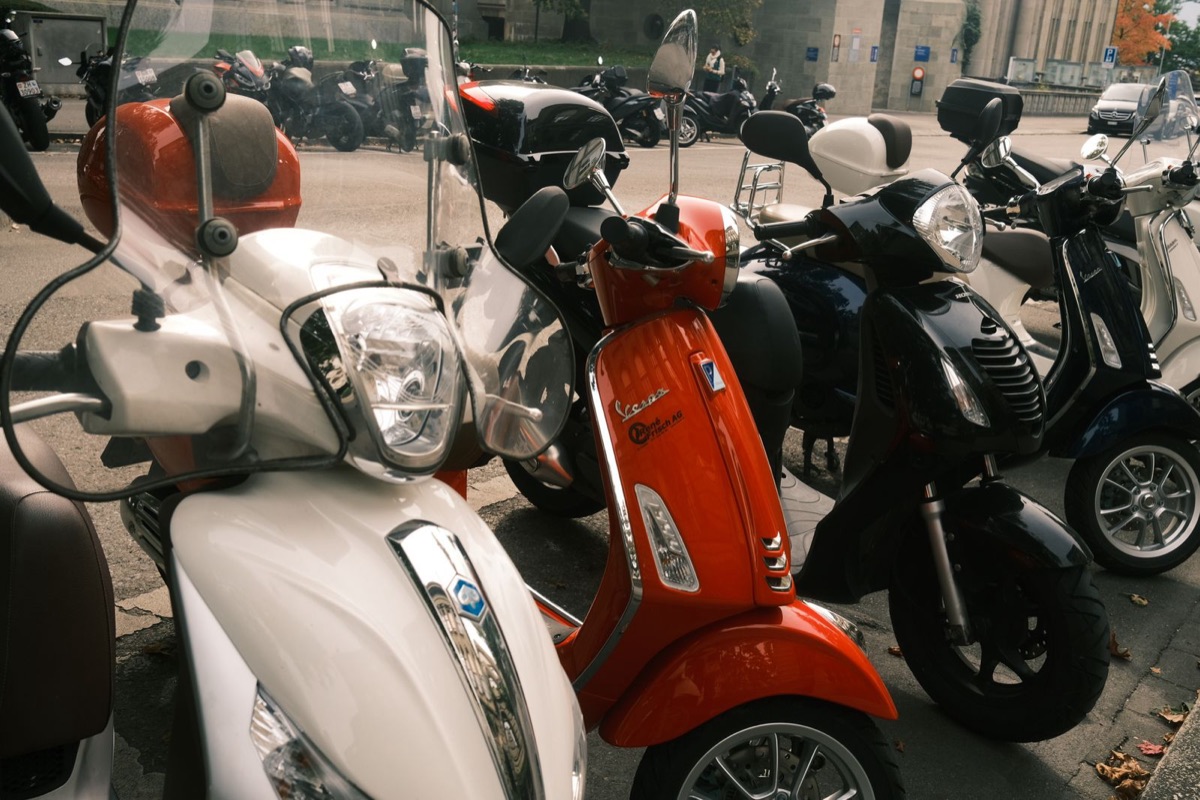
From finding a rental office to the handover of the keys: every step and every trap, so on arrival day only one thing matters: riding off.
What renting a motorcycle on Tenerife is really about
Tenerife is one of the best motorcycling islands in Europe: over 3,700 metres of altitude, endless bends, T-shirt weather in winter. But between "I want to ride here" and "I’m in the saddle" lie a few decisions that shape your whole holiday.
This guide walks you through the complete process, with no sales pressure. We don’t run our own fleet; we tell you what matters. If you aren’t yet sure whether it should be a scooter or a big bike, first read Scooter or motorcycle?.
Step 1: Finding the right rental office
Most rental offices sit in the south, around Los Cristianos, Playa de las Américas and Costa Adeje, because that’s where the big hotels are. In the north (Puerto de la Cruz) and the capital, Santa Cruz, the choice is far smaller.
What to look for when choosing:
- Location relative to your ride: If you want to ride Teide and the south, a southern rental office is ideal. If the green north with the Anaga cloud forest draws you, save yourself the long approach and rent closer.
- Fleet and condition: Well-kept, not-too-old machines with good tread. Ask about year and mileage.
- Reachable in your language: When something breaks or you have a question, you don’t want language to be the obstacle. Most rental offices on Tenerife handle English; ask before you book if you need another.
- Transparent terms: Deposit, excess and insurance should be clear *before* you book, not first at the counter.
Work out beforehand which bike class suits your skill and your ride. It shortens the search enormously.
Step 2: Understanding deposit and insurance
This is where most people lose track — yet it’s simple once you know the terms.
Deposit (Depósito): Blocked on a credit card, not charged. On our vehicle list it runs from about €100 to €800, depending on the bike, at the upper end for big bikes. You need a real credit card with enough available limit. A prepaid or pure debit card is often not accepted.
Third-party liability (Seguro a terceros): Always included, required by law. Covers damage to others, not to your rental.
Excess (Franquicia): The amount you pay yourself in the event of a claim. Often directly tied to the deposit.
CDW / SCDW: "Collision Damage Waiver" reduces your liability for the vehicle. "Super CDW" (SCDW) cuts the excess further, sometimes to zero. Read carefully what’s excluded: tyres, rims, clutch, underbody and damage from tipping over at a standstill are often not covered. On a motorcycle, those are exactly the things most likely to happen.
Step 3: What to bring to the handover
Pack these and the handover takes ten minutes:
- Driving licence (the EU card is enough, see the licence guide)
- ID card or passport
- Credit card in the rider’s name for the deposit
- Booking confirmation (printed or on your phone)
Most rental offices require a minimum age of 21 to 23, depending on the office and the machine. We ask for you. Depending on the machine there is also a minimum of riding experience. For bigger bikes, often 2–3 years of licence holding. Ask this in advance, or you’ll stand at the counter for nothing.
Step 4: The handover checklist that saves you money
The most important section of this guide. A sloppy handover costs you real money in the end.
Take photos and a short video, all the way round, with a timestamp:
- Both sides, front, rear, tank, fairing
- Existing scratches, dents, stone chips, up close
- Rims, mirrors, levers, exhaust
- Odometer and fuel level
- The rental office’s damage report: have every pre-existing fault logged before you sign.
Also clarify:
- Fuel policy: "Full out, full back" is the fairest. Have them show you which fuel (usually Gasolina 95).
- Helmet and lock: The helmet is provided, so try it for fit. Ask for a lock.
- Emergency number for the rental office saved in your phone.
Those five minutes are the cheapest insurance there is.
Helmets and gear
In Spain helmets are compulsory for rider and pillion, no exceptions, even on a scooter, even for a short hop. No helmet: three points and a fine. More on this in the traffic rules guide.
The helmet comes from the rental office. Your own protective gear is smart: on Tenerife it can turn sharply cool and windy in the mountains while it’s warm on the coast. At minimum, solid shoes, gloves and a jacket with armour. Shorts and flip-flops on a twisty mountain road — not a good idea.
What to do if you break down or crash?
Call the rental office first. You have their emergency number saved. They tell you whether a recovery service is coming or whether you should head to a workshop.
In a crash:
- Secure the scene, put on a hi-vis vest (in the vehicle or under the seat), call 112 if anyone is hurt.
- Photos of everything: vehicles, damage, position, number plates.
- Fill in the European accident report if a second vehicle is involved.
- For theft or third-party fault you need a police report (Denuncia), or the insurance often won’t pay.
Report any damage to the rental office immediately, not first at return. Hiding it costs you the full excess in the end.
Prices by season, and the typical traps
Prices swing hard. In the vehicle list for Tenerife a scooter starts at €36/day, a 125cc motorcycle at €43, an A2 middleweight at €63 and a large machine at €85. Multi-day rentals are much cheaper per day.
Season: High season is the European winter (December–March), when everyone flees the cold, plus Easter and summer. The real bargains are in the shoulder season, May/June and September/October, often with even better riding weather. Details in the travel-season guide.
Typical traps you now know about:
- A bait price without SCDW: the excess explodes in the event of a claim.
- Tyres, clutch and tip-overs often excluded from cover.
- Deposit only by credit card: debit isn’t enough.
- "Empty back" fuel policy with overpriced refuelling.
- No handover photos: every old scratch lands on your bill.
Tick off these five points and you rent more relaxed than most. Now all that’s missing is the route: take a look at the island loop or plan in the route planner.
Frequently asked questions
How much does it cost to rent a motorcycle on Tenerife?
In the vehicle list for Tenerife, scooters start at €36/day, 125cc motorcycles at €43, A2 middleweights at €63 and large machines at €85. Multi-day rentals are cheaper per day, and in the shoulder season (May/June, September/October) you pay considerably less.
What deposit do I have to leave for a rental motorcycle?
On our vehicle list €100 to €800, depending on the bike, blocked on a credit card. You need a real credit card in the rider’s name with enough available limit; prepaid or pure debit cards are often not accepted.
What is the difference between CDW and SCDW?
CDW (Collision Damage Waiver) reduces your liability for damage to the rental vehicle. SCDW (Super CDW) lowers the excess on top, often to zero. Watch what stays excluded: tyres, clutch and tipping over at a standstill are frequently not covered on a motorcycle.
Why are handover photos so important?
Photos and a short video from all sides with a timestamp prove the condition at pick-up. Without them, any old scratch can be charged to you at return. Also have every pre-existing fault logged in the damage report before you sign.
Do I need my own protective gear or is the rental helmet enough?
The rental office provides the helmet, and it’s compulsory for rider and pillion. Your own protective gear is still advisable: solid shoes, gloves and a jacket with armour. It gets cool and windy in the mountains and warm on the coast. Shorts and flip-flops don’t belong on a motorcycle.