Guides
Best time to ride a motorcycle on Tenerife
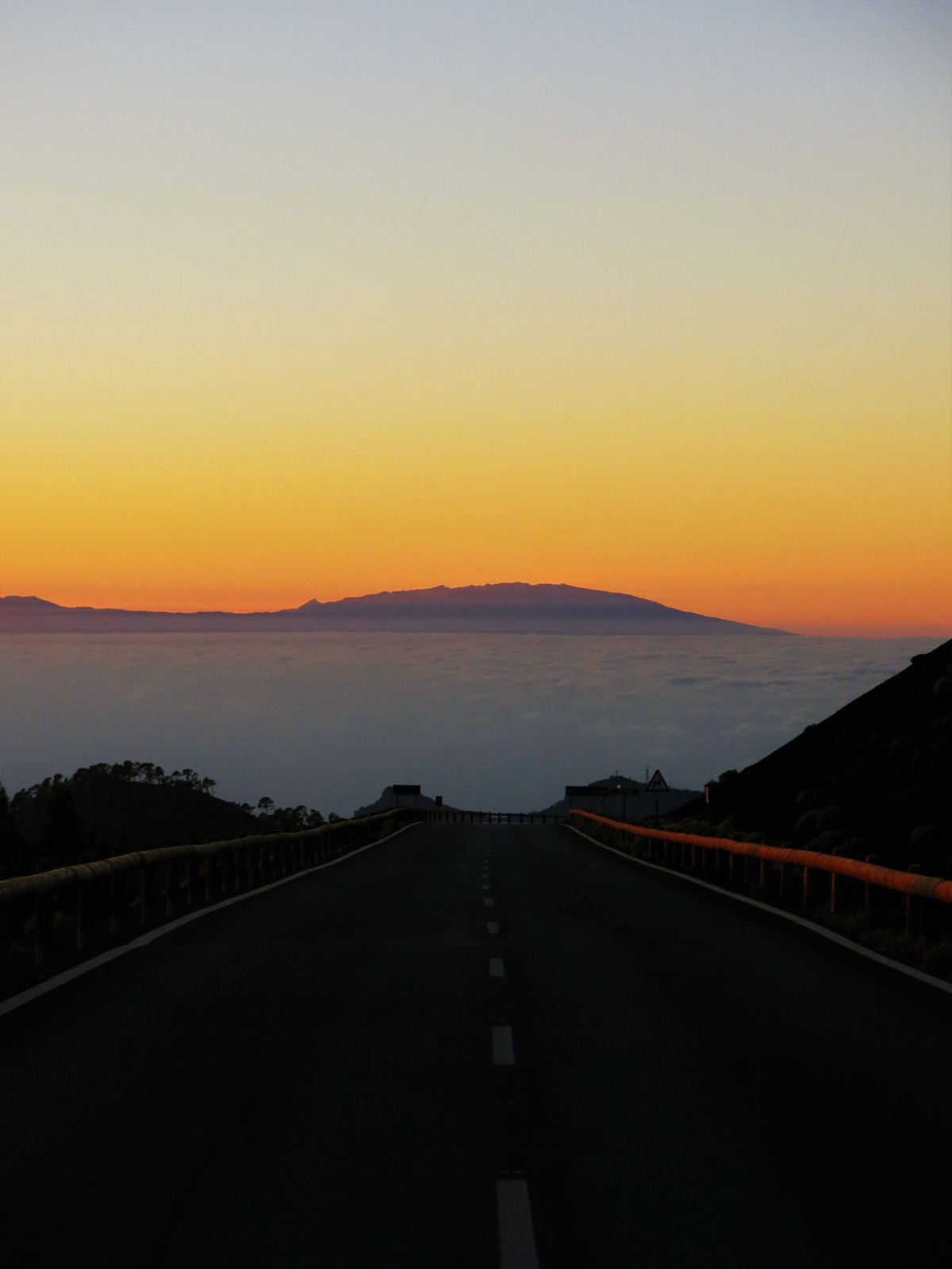
The island of eternal spring still has seasons — just its own kind. When it pays off most, and where you dodge the rain.
Year-round, but not the same everywhere
Tenerife is called "the island of eternal spring", and for motorcyclists that’s almost true: you can ride here all year. Even in the European winter, daytime coast temperatures sit at a pleasant 18–23 °C.
But "year-round" doesn’t mean "the same everywhere". Teide splits the island into two climate zones, and 3,000 metres of altitude turn one day into three different kinds of weather. Understand that and you plan your rides right.
The months compared
Rough guide values for the coast (typical climate, can vary):
- December–February: 18–23 °C by day, rarely below 15 °C at night. High season, because half of Europe is fleeing the cold. More rainy days in the north.
- March–May: 20–25 °C, around 17 °C in the evening. Top riding weather, landscape in bloom, prices still moderate.
- June–September: 25–30 °C, around 21 °C at night. Hot in the south, busy on the beaches. Pleasant on the bike as long as you keep moving.
- October–November: 22–27 °C. Sea still warm, island emptier, often the best combination of weather and price.
Our tip for riders: May/June and September/October — stable weather, fewer crowds, cheaper rentals. More on that under "shoulder season".
Microclimates: north wet, south dry
The northeasterly trade wind pushes moist air against the northern slopes. Rule of thumb:
- North and east (Puerto de la Cruz, Anaga): greener, cooler, more often cloudy or foggy. The famous cloud forest is created by exactly this. Atmospheric to ride, but watch out for wet tarmac.
- South and west (Los Cristianos, Costa Adeje, the Vilaflor climb): dry, sunny, warm. This is where you most reliably start a sunny day.
The clever move is to play it: if the cloud hangs in the north, ride to the sunny south, and vice versa. On an island loop you get both in one day.
Teide’s high ground: the temperature drop
Most people underestimate this. At the coast you have 25 °C; in Teide National Park at 2,000m it’s often only 15 °C or less, plus wind. In winter there’s snow on Teide, and roads can be closed.
So: layers. Bring a warm layer and windproof gloves, even if you set off in a T-shirt. The climb on the volcano loop is scenically insane, but only a pleasure rather than teeth-chattering with the right clothing.
Calima and wind in the south
There are two weather phenomena worth knowing:
- Calima: A hot Saharan wind that brings fine dust. On a few days a year, usually lasting some days. It turns oppressively hot, visibility drops, everything goes sandy. On the bike then: drink plenty, keep your visor clean, prefer shorter rides.
- Wind in the south: Around El Médano and the exposed southern slopes it often blows hard. No wonder the area is a surfer’s paradise. Take crosswinds on bridges and open stretches seriously, especially on light scooters.
Check the current forecast in the morning, before you lock in your route.
Shoulder season: the price argument
Rental prices follow demand, not the riding weather. In the European winter (December–March), at Easter and in high summer, bikes are pricier and scarcer.
In the shoulder season, roughly May/June and September/October, you pay noticeably less, have a free choice and often the most stable riding weather of the year. If you’re flexible, you book smartest here. How renting works is in the complete rental guide.
Frequently asked questions
When is the best time to ride a motorcycle on Tenerife?
You can ride year-round. The best combination of weather, crowds and price is in spring (May/June) and autumn (September/October): a stable 20–27 °C, fewer crowds and cheaper rentals than in the winter season.
Why is the north of Tenerife different from the south?
The northeasterly trade wind pushes moist air against the northern slopes, so the north is greener, cooler and more often cloudy, while the south is dry and sunny. If the cloud hangs in the north, ride to the south, and vice versa.
How cold does it get on Teide?
Much colder than the coast: with 25 °C at the sea it can be only 15 °C or less in Teide National Park at 2,000m, plus wind. In winter there’s snow up there and roads can be closed. Always bring a warm layer.
What is the Calima and how does it affect riding?
The Calima is a hot Saharan wind that brings fine dust. It occurs on a few days a year, usually lasts some days, and turns it oppressively hot with hazy visibility. On the bike that means: drink plenty, keep your visor clean and ride shorter routes.
Can I ride a motorcycle on Tenerife in winter?
Yes. On the coast in winter it’s usually 18–23 °C by day with few rainy days — ideal for escaping the European cold. Only the high ground on Teide gets cold to frosty, which you need to plan for with your clothing.